March 26, 2026
Commercial property owners often reach a point where their current physical environment no longer aligns with their business trajectory. Whether a layout is outdated or the structural needs of the company have shifted, the decision to renovate is a significant undertaking. The process of taking an existing shell and turning it into a high-functioning, modern workspace requires a level of precision that only experienced construction experts can provide. While the financial investment is considerable, the return on that investment often manifests in improved efficiency and a more professional brand image.
According to The National Association of Realtors, Americans spent an estimated $603 billion in 2024 on remodeling their homes. Among NARI members, 42% found a greater demand for contracting in remodeling work during the last two years. While these figures highlight a massive surge in the residential sector, the commercial world is seeing a similar trend. Businesses are increasingly choosing to revitalize their current locations rather than dealing with the logistical nightmare of moving to a new site. This shift toward high-end renovation is driven by the desire for customization and the need to keep up with evolving building codes and technology requirements.
When a company decides to overhaul its space, the first step is often finding a partner who understands the nuances of structural integrity and aesthetic flow. Many people assume that any general contractor can handle a major overhaul, but there is a specific skillset involved in commercial adaptation. Even a seasoned home builder understands the value of a solid foundation and a clear vision, though the scale of a corporate project is much larger. The goal is always to create an environment that feels intentional rather than just a collection of desks and equipment.
Professional Builders Assess Structural Integrity First
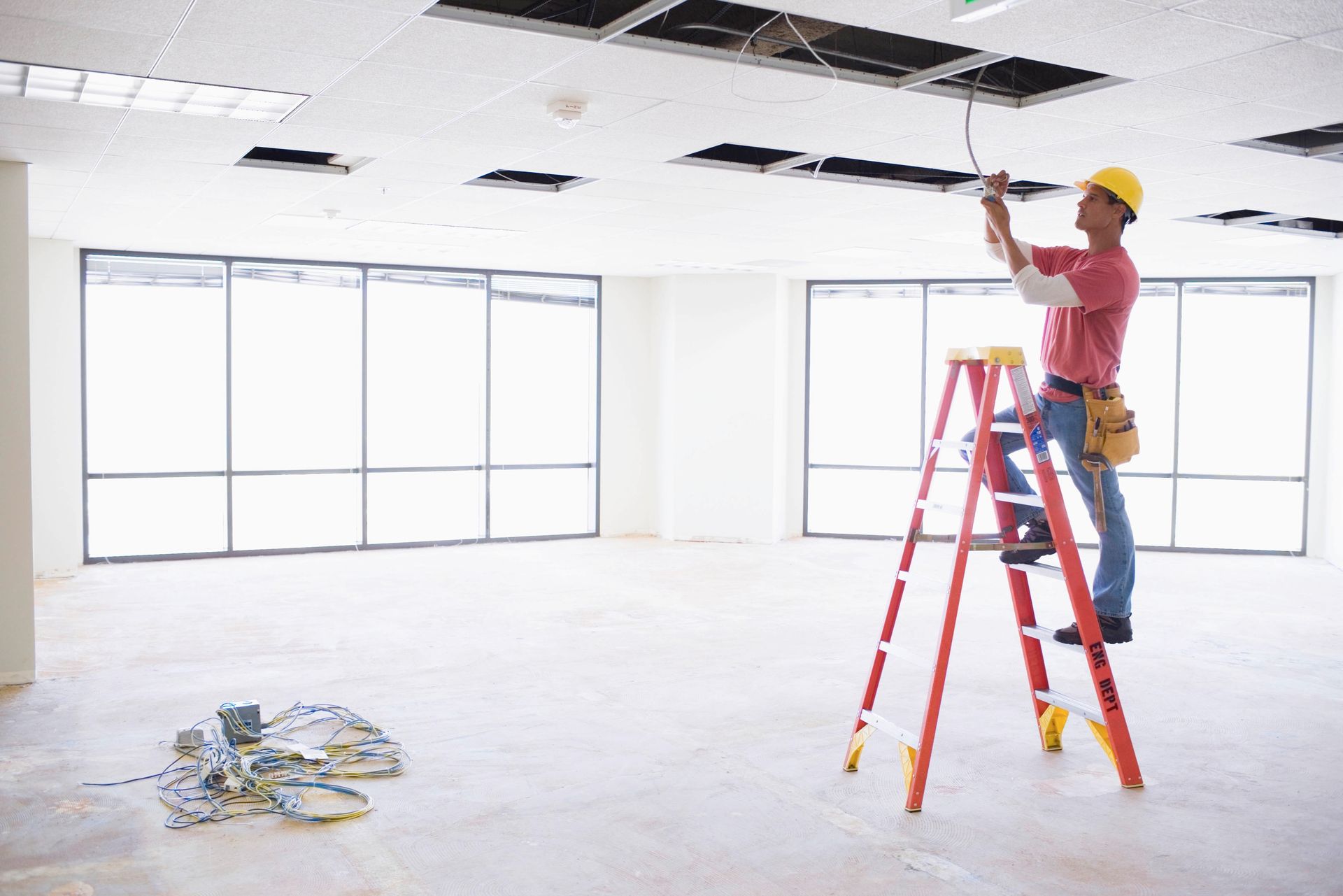
Before a single wall is moved, a deep dive into the bones of the building is necessary. Commercial spaces often hide decades of previous modifications behind drywall and drop ceilings. A professional team begins by identifying what can be kept and what must go. This assessment isn't just about safety; it is about maximizing the potential of the square footage. They look at load-bearing elements, the state of the electrical grid, and how the plumbing is routed.
This phase is where the expertise of a home builder is often mirrored in the attention to detail, as every inch of the space must be accounted for to prevent future issues. If the skeletal structure is compromised, no amount of paint or expensive flooring will matter in the long run. By prioritizing the "bones" of the facility, builders ensure that the finished product isn't just beautiful, but also durable enough to withstand the daily rigors of a high-traffic business environment. It is about creating a baseline of quality that supports everything that comes after.
Expert Teams Optimize Modern Floor Plan Layouts
Once the structural health is confirmed, the focus shifts to how people move through the space. Modern commercial design has moved away from the cramped, siloed offices of the past. Today, the emphasis is on flow and flexibility. Builders work to eliminate unnecessary barriers that hinder communication while still providing enough privacy for focused tasks. This balance is tricky to achieve, but it is what separates a mediocre renovation from a transformative one.
In many ways, the way a home builder thinks about "open concept" living can be applied here, albeit on a much larger and more regulated scale. The layout must serve the specific workflow of the business, meaning every hallway and common area is designed with a purpose. Moving a wall six inches might seem like a small change, but it can completely alter the acoustics and energy of a room. By optimizing the floor plan, builders help businesses operate more smoothly, reducing the friction that often comes with a poorly designed workspace.
Skilled Contractors Update Vital Facility Infrastructure Systems
A major part of any commercial transformation happens behind the scenes. The precision required for these upgrades is similar to what a home builder might encounter when modernizing a vintage property. Everything must be brought up to current codes while ensuring that the systems are easily accessible for future maintenance. Without these infrastructure updates, a renovated space is essentially just a pretty facade on an aging machine. By focusing on the gut of the building, contractors provide the power and comfort necessary for a productive work environment, ensuring the lights stay on and the air stays fresh regardless of the external weather.
Interior Specialists Select Durable High Traffic Materials
In a commercial setting, materials cannot just look good; they have to be tough. Flooring, wall finishes, and countertops must endure constant use, heavy cleaning, and the occasional mishap without showing immediate wear. Builders guide owners through the selection process, choosing industrial-grade options that mimic high-end finishes. This might mean using luxury vinyl planks that look like hardwood but can handle a thousand footsteps a day, or utilizing antimicrobial surfaces in shared breakrooms.
The eye for design that a home builder brings to a kitchen or bathroom is highly relevant here, as people want their workspaces to feel welcoming and sophisticated. However, the commercial standard for durability is much higher. The right materials reduce long-term maintenance costs and keep the facility looking new for years rather than months. Every surface chosen is a deliberate decision based on the specific needs of the industry, balancing the initial cost with the expected lifespan of the product.
Construction Managers Ensure Strict Building Code Compliance
One of the most complex aspects of commercial renovation is staying on the right side of local regulations and safety standards. Every municipality has its own set of rules regarding fire safety, accessibility, and environmental impact. A professional builder acts as a liaison between the business owner and the inspectors, ensuring that every permit is pulled and every requirement is met. This isn't just about avoiding fines; it’s about the safety of every person who enters the building.
While a home builder is accustomed to residential codes, the commercial side involves much more rigorous fire suppression systems and ADA accessibility mandates. Navigating this bureaucratic maze requires experience and a proactive mindset. Builders anticipate these requirements during the design phase, so there are no surprises during the final walkthrough. This oversight provides peace of mind to the owner, knowing that their investment is legally sound and safe for public use.
Project Leaders Coordinate Seamless Multidisciplinary Trade Schedules
This level of coordination is something a home builder masters early on, but in a commercial project, the timelines are often tighter because every day the doors are closed is a day of lost revenue. Effective project management minimizes downtime and prevents the "start-stop" rhythm that plagues many amateur attempts at renovation. By keeping the trades on a strict schedule, the builder ensures that the project stays on track and the transition from old to new is as smooth as possible.
Focused Professionals Deliver Customized Business Brand Environments
The final result of a professional build-out should be a space that reflects the identity of the company. It isn't just a generic office; it’s a physical extension of the brand. Builders incorporate specific colors, lighting schemes, and architectural details that resonate with the company's mission. Whether it is a sleek, minimalist tech hub or a warm, traditional legal suite, the environment tells a story to clients and employees alike.
A home builder understands that a building should feel like the entity that occupies it, and a commercial builder applies that same logic to a corporation. The space should feel unique and tailored. When the dust finally settles and the furniture is moved in, the transformation is complete. The business is no longer just "making do" with what they have; they are operating out of a facility that was built to help them succeed. This final layer of customization is the crowning achievement of the renovation process, turning a standard building into a destination. For your next facility renovation, contact C2C Construction.